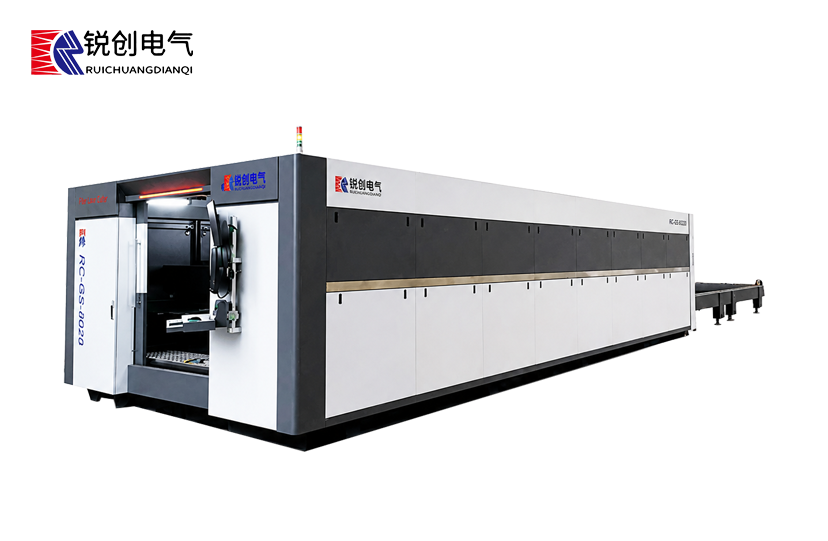
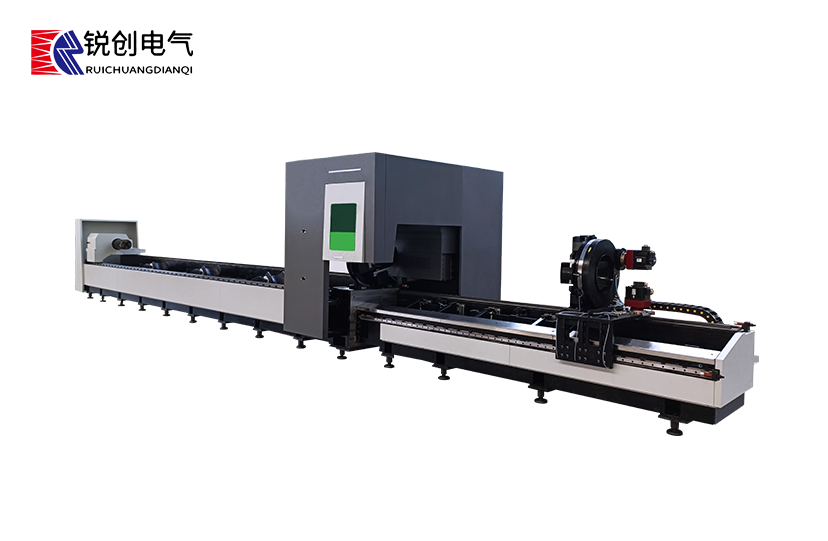
Fiber Laser Cutting Machine
Laser Power: Customized from 1kW to 30kW
Cutting Materials: Carbon Steel, Stainless Steel, Aluminum, Brass, Copper
Cutting Method: High-Speed Fiber Laser Cutting Technology
Processing Capability: Precision Cutting for Various Metal Components
Control System: CNC Automatic Control for Efficient Production
Fiber Laser Cutting Machine for Industrial Metal Fabrication — Precision, Speed & Lower Operating Cost
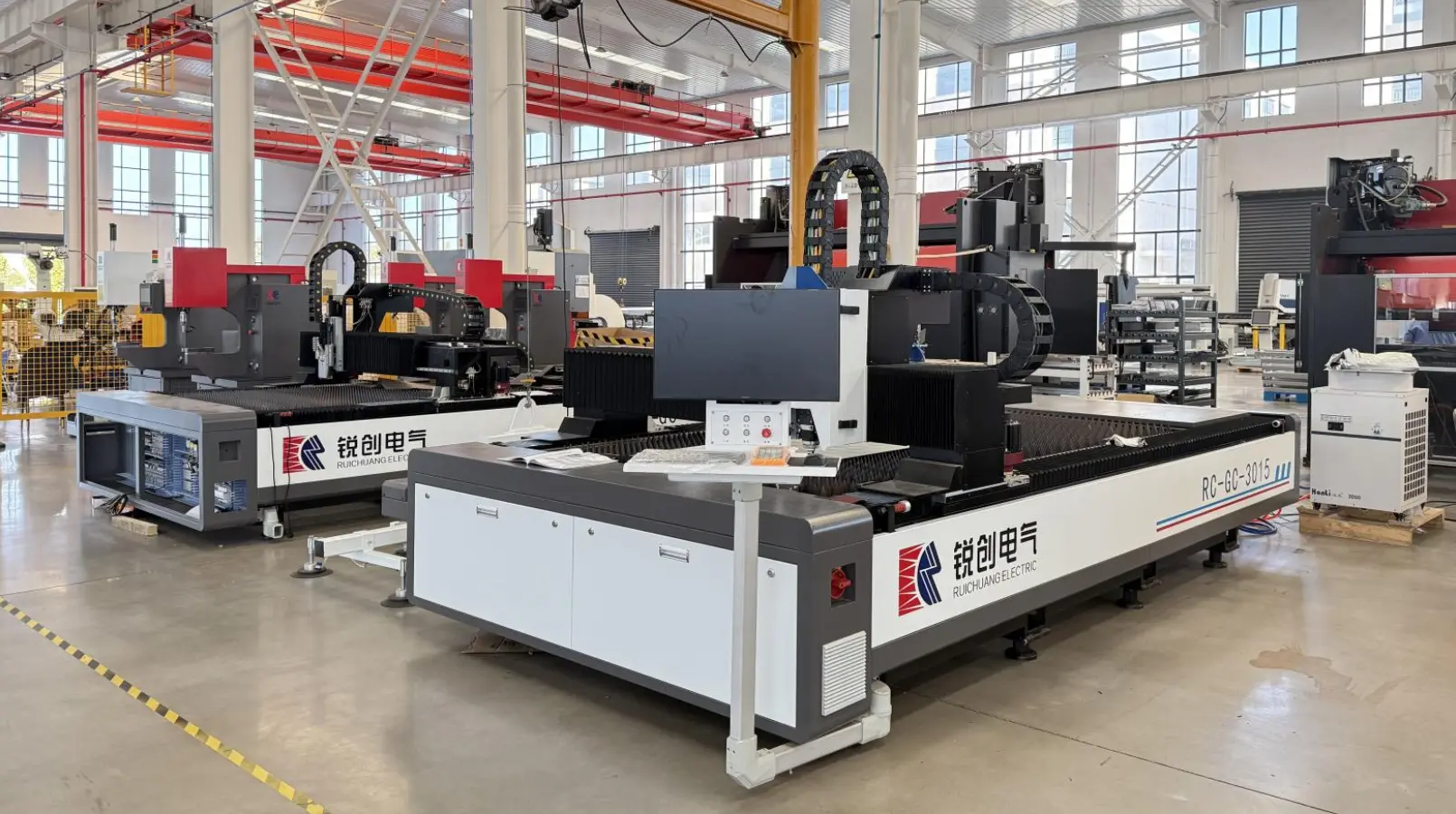
Luoyang Ruichuang Electrical Equipment Co., Ltd. was established in 2002 and has spent more than two decades focused on sheet metal automation. All the company's Fiber Laser Cutting Machine are manufactured on the basis of this collected expertise in manufacturing. Carbon steel, stainless steel, aluminium, brass, copper and galvanised sheet may be treated with laser power between 1 kW and 30 kW. Direct reading of DXF, DWG & AI files. The positional precision is ±0.03 mm and photoelectric conversion efficiency is around 30-35%.
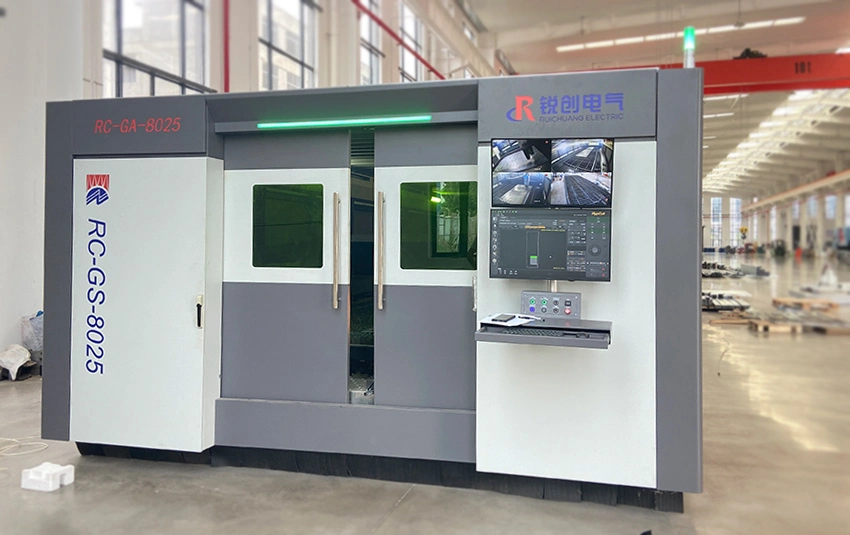
What Is a Fiber Laser Cutting Machine?
A CNC thermal processing system is based on a fiber-doped laser source for generating a high energy density beam. The 1.064-micrometer laser beam is transferred via flexible fiber optic cables, melting metal along the programd path.
Fibre laser technology can continuously process highly reflective metals like copper and aluminium without mirror alignment or cutting gas refills and with greater wall-plug efficiency than CO2 laser systems. This means less work downtime and cheaper consumable costs for most metal production processes.
Key Technical Specifications
| Parameter | Specification |
|---|---|
| Laser Power | 1 kW – 30 kW (configurable) |
| Cutting Materials | Carbon Steel, Stainless Steel, Aluminum, Brass, Copper, Galvanized Sheet |
| Cutting Thickness | 0.5 mm – 50 mm (varies by power) |
| Positioning Accuracy | ±0.03 mm |
| Beam Quality | M² < 1.1 |
| Photoelectric Conversion Efficiency | >30–35% |
| Laser Wavelength | 1.064 μm |
| Control System | CNC Automatic Control |
| Supported File Formats | DXF, DWG, AI |
| Acceleration Speed | Up to 2.8G |
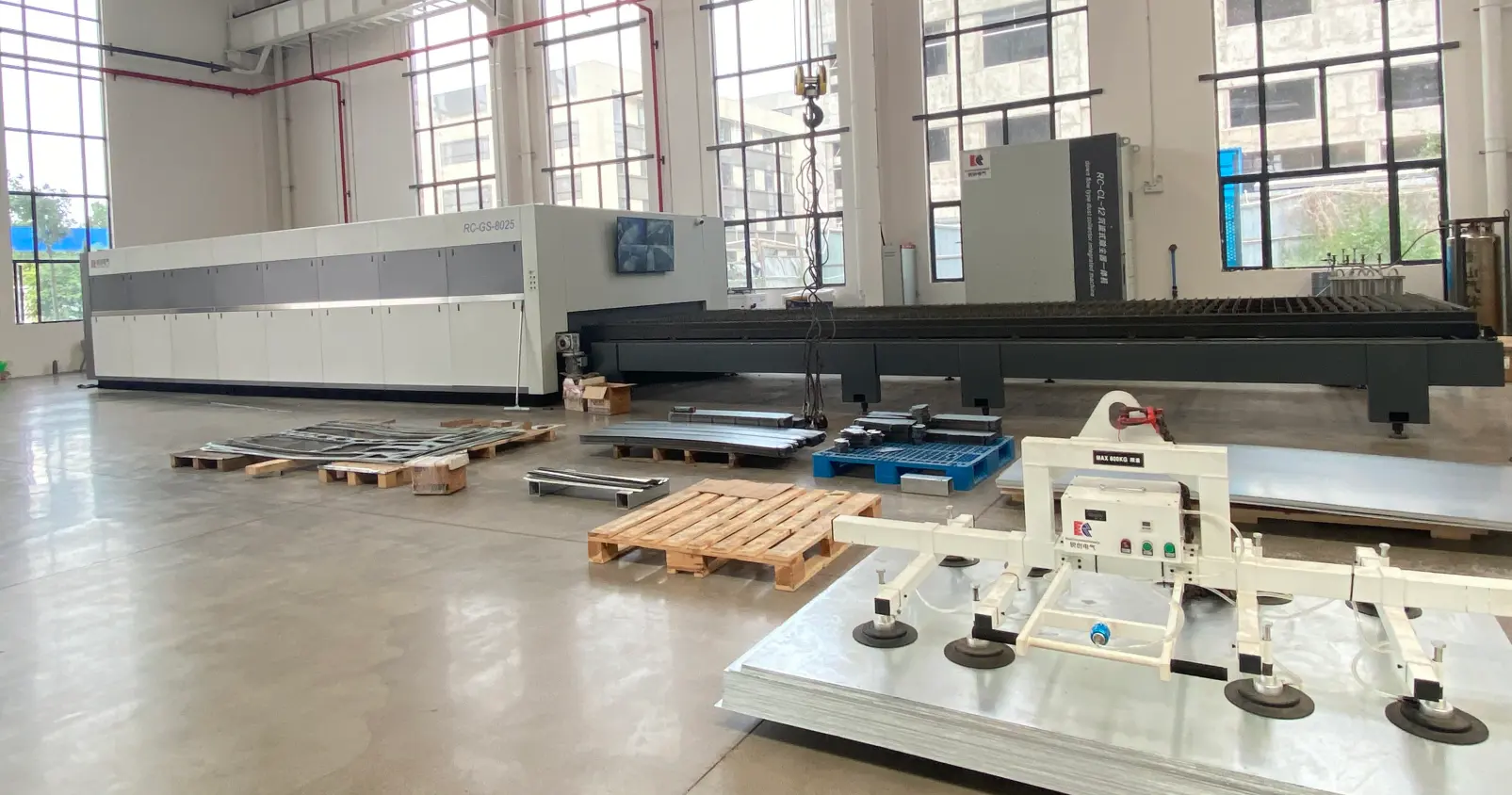
Core Product Advantages
Consistent output across multiple metal types
The fibre laser source provides repeatable cutting depth and edge quality on carbon steel, stainless steel, aluminium, copper and brass, even in long production runs. This leads to a rated beam quality of M² < 1.1 which directly supports a consistent kerf geometry.
Precision motion system for complicated geometries
The machine bed is made by welding and high temperature tempering to eliminate internal tension. This gives long term kinematic precision for cutting complex forms, tiny holes and tight tolerance sheet metal products.
Lower daily operating expenses
There are no lasers to position and no laser gas to refill. Routine maintenance involves cleaning the protective lens, verifying nozzle centration and lubricating the guide rail system – all of which may be carried out by an operator without expert gear.
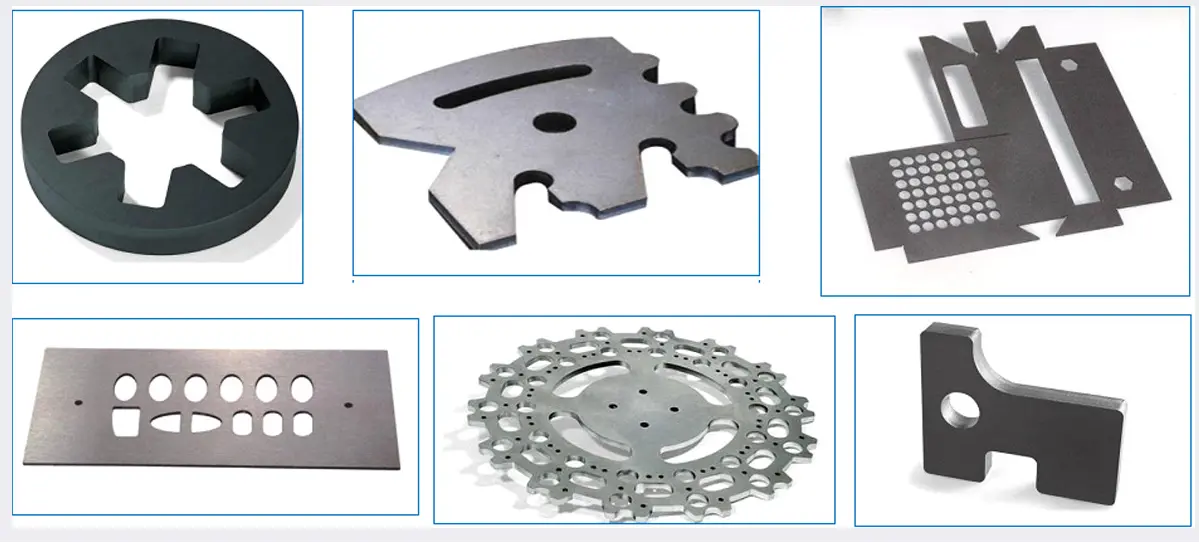
Minimally processed secondary side of cut edges
The tiny heat affected zone leads to clean edges with short kerf width. Most metal parts are deburred to a greater or lesser extent, cutting down grinding time and reducing downstream processing costs.
Selection of auxiliary gases for material specific outcomes
Oxygen (O₂) starts an exothermic process that speeds cutting in thick carbon steel. Nitrogen (N2) creates a high pressure shielding atmosphere that produces sharp, oxide-free edges on stainless steel. The gas should match the material, which has a direct impact on the edge quality and cutting speed.
Stable performance on reflective metals
The machine includes back-reflection isolators and adaptive pulse modulation. These features protect the laser source when processing copper, brass, and aluminum — materials that can cause instability in systems without dedicated back-reflection protection.


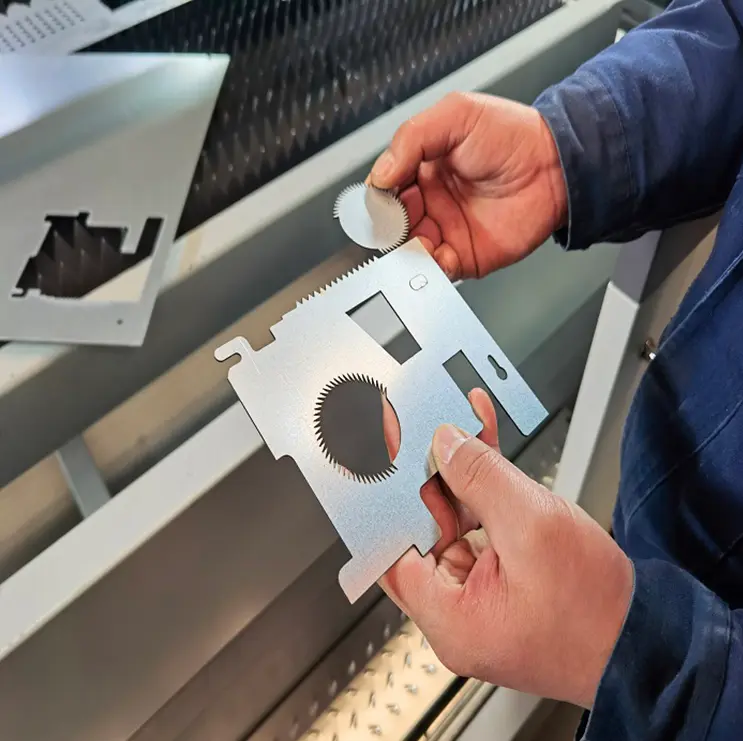
Application Industries
This equipment of Fiber Laser Cutting Machine is used across a range of metal processing sectors:
- Sheet metal fabrication — electrical cabinets, enclosures, structural panels
- Automotive manufacturing — high-strength steel safety frames, body components
- New energy equipment — battery housings, structural brackets
- Machinery manufacturing — precision mechanical parts and assemblies
- Advertising and signage — decorative metal lettering and display structures
- General fabrication — custom parts requiring tight dimensional tolerances
Quality Control Process
Each machine goes through a multi-stage inspection before shipment:
- Laser power stability test — output is measured over an extended period to confirm consistent cutting depth
- Geometric accuracy inspection — positioning and repeatability are verified using laser interferometer measurement
- Surface roughness analysis — Rz and Ra values of the cut section are evaluated against defined benchmarks
- Dynamic balancing test — gantry movement is tested at maximum acceleration to identify and address vibration-induced ripple
- Kerf taper measurement — perpendicularity of cut is checked to remain within 0.05 mm for thick-plate applications
Customization and Configuration Options
Ruichuang supports B2B buyers with configurable machine specifications. Select laser power from 1 kW to 30 kW to suit your material thickness range and production volume. The control system can handle a variety of CAD files, which makes it easy to integrate into current design and manufacturing processes.
The firm offers installation, commissioning, operator training and technical after sales support. Customer teams get training in PLC programming and equipment operation at our in-house Automation Training Center.
If you have a particular material, thickness or manufacturing need contact the team to explore which configuration matches your purpose.
FAQ
Q:What metal materials can this machine cut?
A:The product processes carbon steel, stainless steel, galvanized sheet, aluminum alloy, copper, and brass. Material coverage depends on the selected laser power.
Q:What thickness range is supported?
A:Cutting thickness ranges from 0.5 mm to 50 mm. The achievable range for a specific material depends on the laser power configuration selected.
Q:Can I import DXF or CAD files directly?
A:Yes. The CNC control system supports DXF, DWG, and AI formats. Files can be imported to generate cutting paths without manual coordinate reprogramming.
Q:What positioning accuracy can I expect?
A: Positioning accuracy is ±0.03 mm. The kerf width is small and most metal items will have clean edges, therefore less secondary polishing is required.
Q:What is the effect of auxiliary gas selection on cut quality?
A: Oxygen speeds cutting of thick carbon steel via an exothermic reaction. Nitrogen protects the cut zone on stainless steel and gives brilliant surfaces without oxides. The option relies on the material type and the necessary edge finish.
Q:What industries are the items used in?
A: Typical applications include sheet metal fabrication, electrical cabinet manufacture, new energy equipment production, automobile parts and general precision metal processing.
Contact Us
Have a project requirement or want to request a machine configuration for Fiber Laser Cutting Machine? Contact our team at sales@lyrcautomation.com and we will follow up directly.