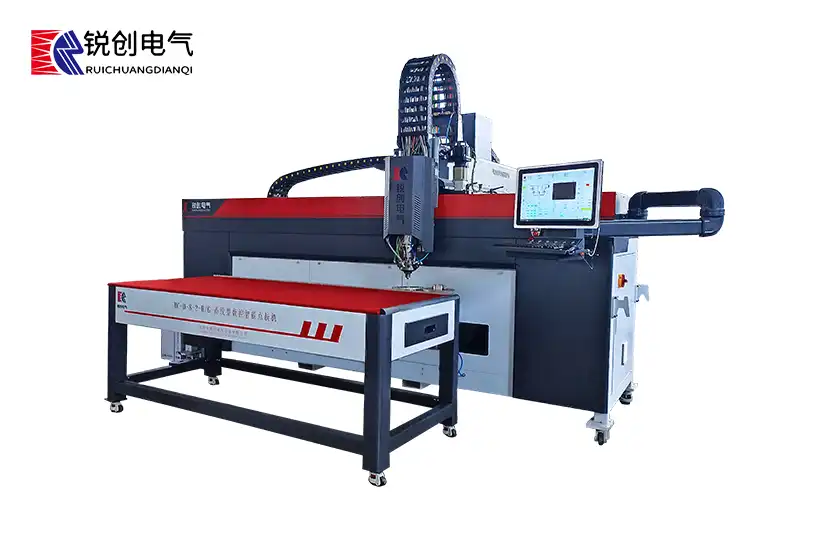
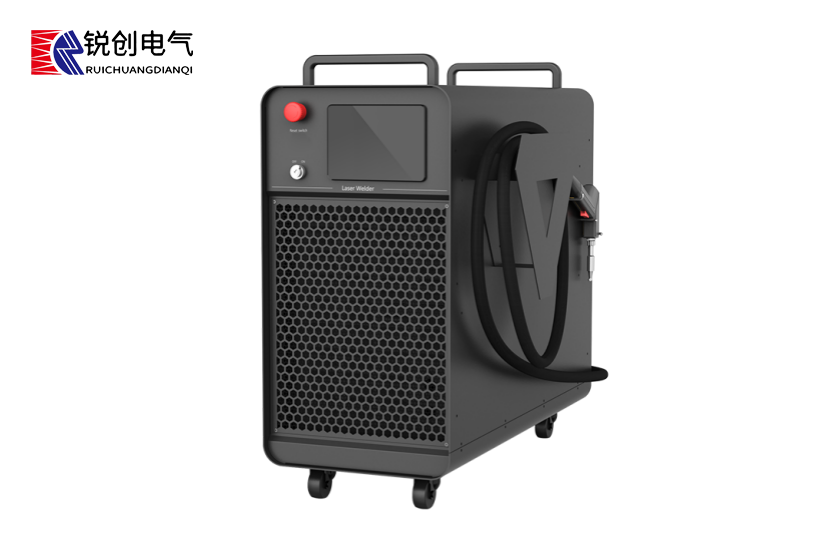
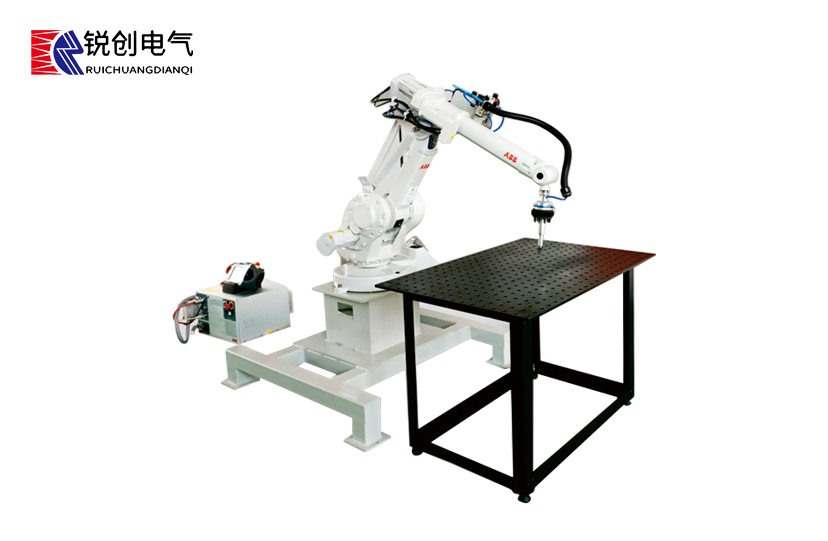
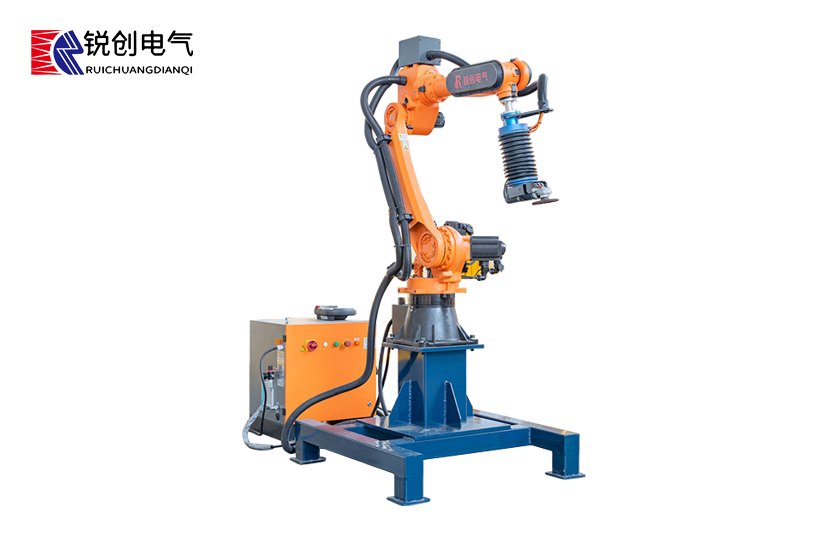
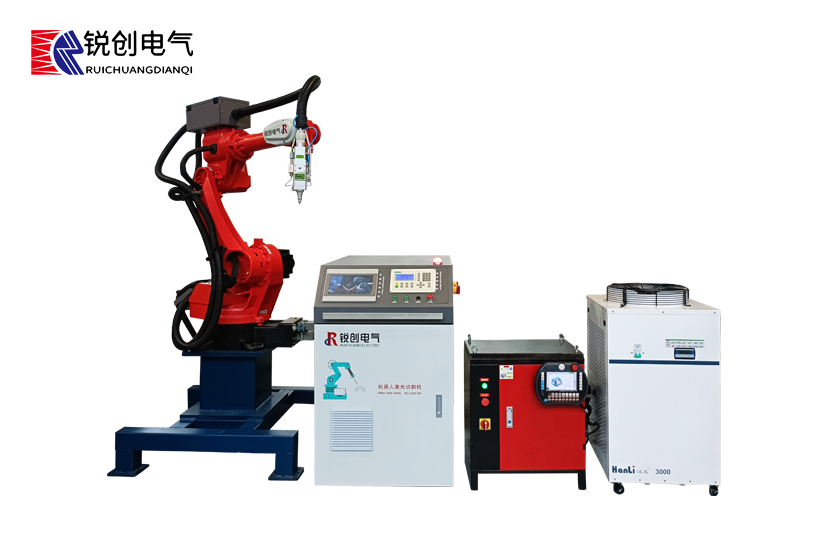
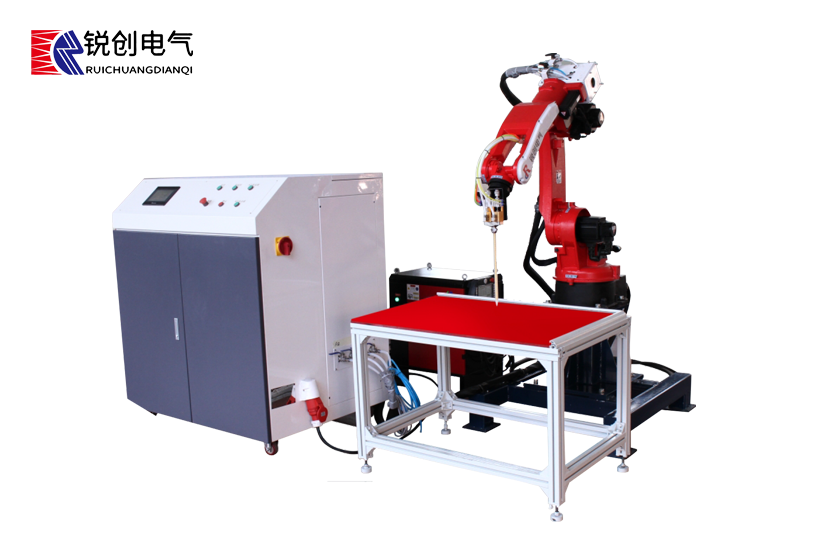
Laser Welding Robot
Robot Type: Industrial Laser Welding Robot
Welding Technology: Fiber Laser Welding Technology
Welding Capability: High-Speed and High-Precision Metal Welding
Applicable Materials: Carbon Steel, Stainless Steel, Aluminum, Galvanized Steel
Control System: Intelligent Robot Control with Flexible Programming
Laser Welding Robot — Automated Fiber Laser Welding System for Precision Metal Fabrication
Luoyang Ruichuang Electrical Equipment Co., Ltd. (est. 2002) manufactures an industrial-grade Laser Welding Robot built on fiber laser technology, with positioning repeatability of ±0.02 mm to ±0.05 mm and laser power options from 1000 W to 6000 W. The system can weld carbon steel, stainless steel, aluminium, galvanised steel and copper with low heat affected zone, decreased spatter and consistent seam quality. Ruichuang has more than 20 years of experience in automation engineering and can help in all the project life cycle from installation and commission to operator training.
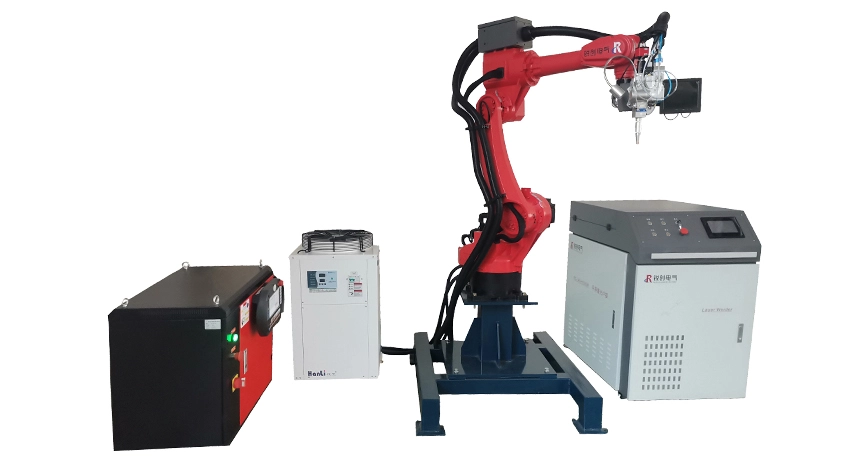
What Is a Laser Welding Robot?
The gadget combines a high-energy fibre laser source with a 6-axis industrial robotic arm to achieve high-speed precision metal joining. It uses a concentrated coherent laser beam to melt the joint interface, contactlessly, without post-weld grinding and without the excessive heat input to the base material as occurs in MIG/TIG welding.
This technique overcomes several of the usual production issues, such as the lack of skilled hand welders, the thermal distortion of thin-walled components, the inconsistent seam quality in complex geometries, and the limited throughput of large volume lines. The welding path is fully computerised so the system can hold sub-millimetre tolerances over and over again, cycle after cycle.
Key Technical Specifications
| Parameter | Specification |
|---|---|
| Robot Type | 6-Axis Industrial Laser Welding Robot |
| Laser Technology | Fiber Laser |
| Laser Power Range | 1000 W – 6000 W |
| Positioning Repeatability | ±0.02 mm – ±0.05 mm |
| Applicable Materials | Carbon Steel, Stainless Steel, Aluminum, Galvanized Steel, Copper |
| Weld Path | 3D Curved, Circular, Irregular, Complex Geometry |
| Seam Tracking | Optional Laser Seam Tracker |
| Control System | Intelligent Robot Control with Flexible Programming |
| Gap Bridge Capability | Up to 0.5 mm – 1.0 mm (wobble head) |
| Fiber Laser Service Life | Up to 100,000 hours |
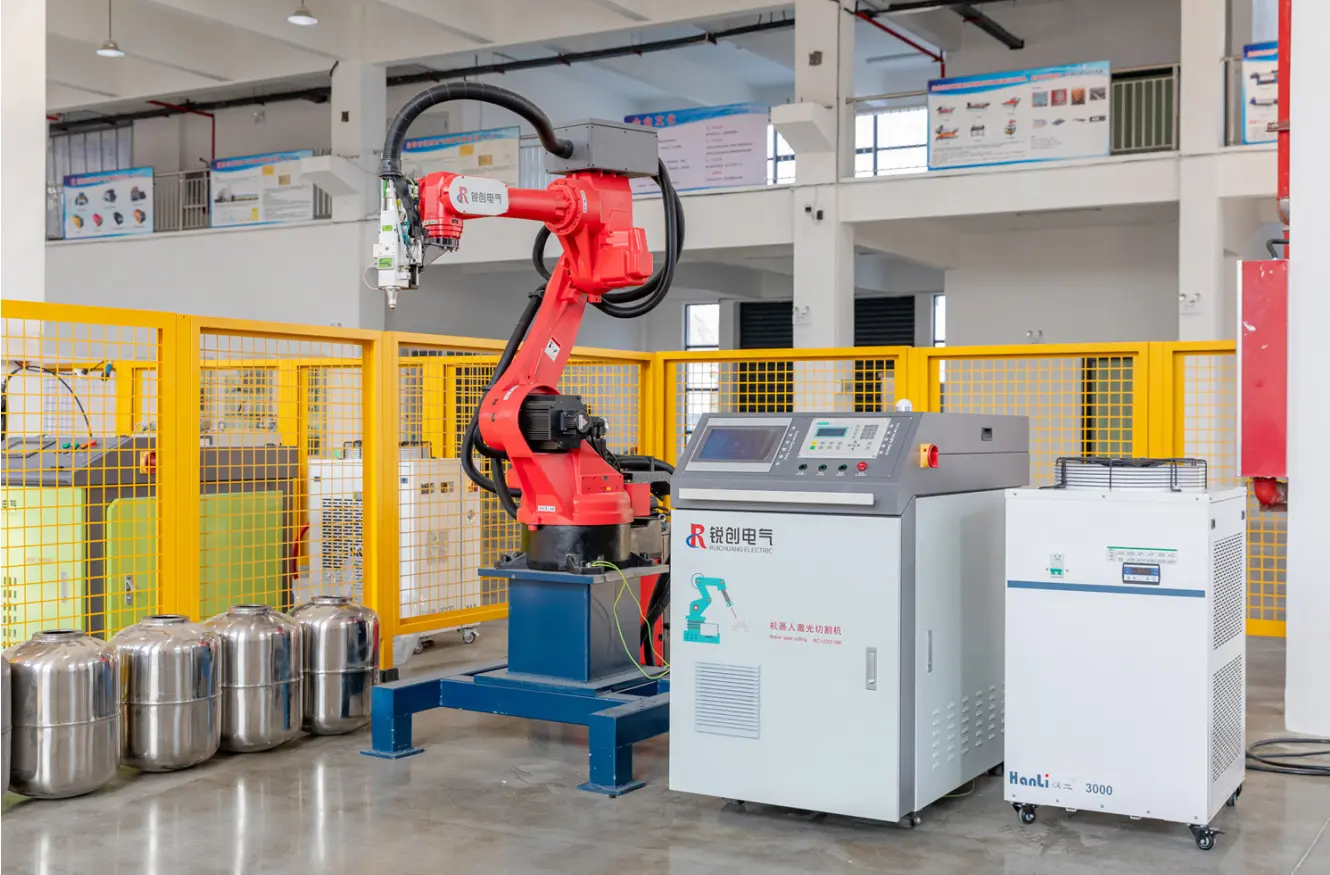
Core Performance Characteristics
Narrow seam and reduced distortion. The high energy density of fiber laser welding produces a narrow, neat weld seam with a minimal heat-affected zone. Workpiece deformation is reduced, and post-weld polishing requirements decrease — lowering both labor time and finishing cost.
One location to make 3D shapes The 6-axis robotic arm and laser head can follow weld paths that are curved, round and irregular without the need to reposition the workpiece between passes. This results in reduced cycle times for items with complex forms.
Faster processing speed than arc welding. Fiber laser welding is substantially faster than traditional arc welding processes. For big capacity operations, this cycle time differential adds up to more throughput every shift.
Fast changeovers for mixed manufacturing. The control system allows to program many product kinds. Operators may easily transition between product versions without long downtimes, which makes the system ideal for both specialised production lines and mixed-model workshops.
Laser safety structure, enclosed. The system satisfies Class 4 laser safety criteria with an enclosed protective structure and interlocking safety curtains to protect operators from reflected radiation during operation.
Applicable Industries and Scenarios
This automated welding system is suited for industrial applications where precision and seam consistency are primary requirements.
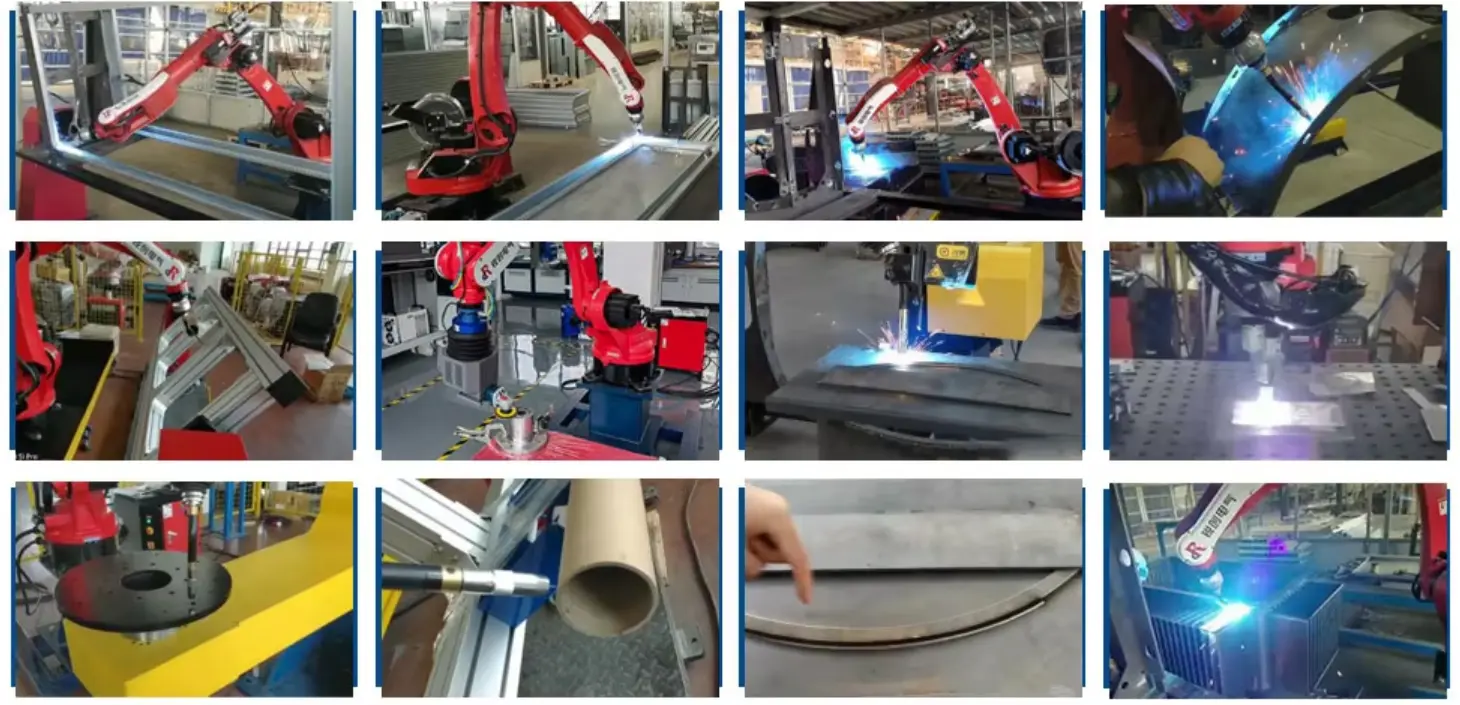
One of the most prevalent applications is sheet metal fabrication – enclosures, frames, brackets and structural pieces in carbon steel or stainless steel all benefit from crisp low distortion welds.
Robotic laser welding is used in the auto industry to join body panels, make door frames, and make structural parts where precise measurements and a smooth surface are needed.
Laser welding is used to join the aluminium battery trays and busbars of electric vehicle batteries. The heat input is controlled to keep the cells inside from getting damaged by heat.
Aerospace and precision engineering use thin-walled parts with complicated 3D paths that can't be welded by hand with the required level of repeatability.
General industrial fabrication — including furniture, kitchen equipment, medical device housings, and consumer appliance casings — benefits from consistent bead geometry and a lower reject rate.
Quality Control and Inspection
Quality assurance in robotic laser welding operates across three stages:
- Pre-process: Integrated vision measures gap size before welding begins
- In-process: Melt pool monitoring tracks weld stability in real time
- Post-process: Bead geometry verification checks seam dimensions after each weld
The optional Laser Seam Tracking provides automated location of the weld joint center line and compensation for workpiece tolerance fluctuation, guaranteeing consistent quality independent of the fit-up of the parts within tolerance.
Interior porosity and cracks may be detected after a weld is finished using imaging methods like as x-ray radiography and nondestructive testing (NDT). When validating a Welding Procedure Specification (WPS) for a critical application, macro-etching may be utilised to examine the depth of penetration and the geometry of the fusion zone.
Integration and After-Sales Support
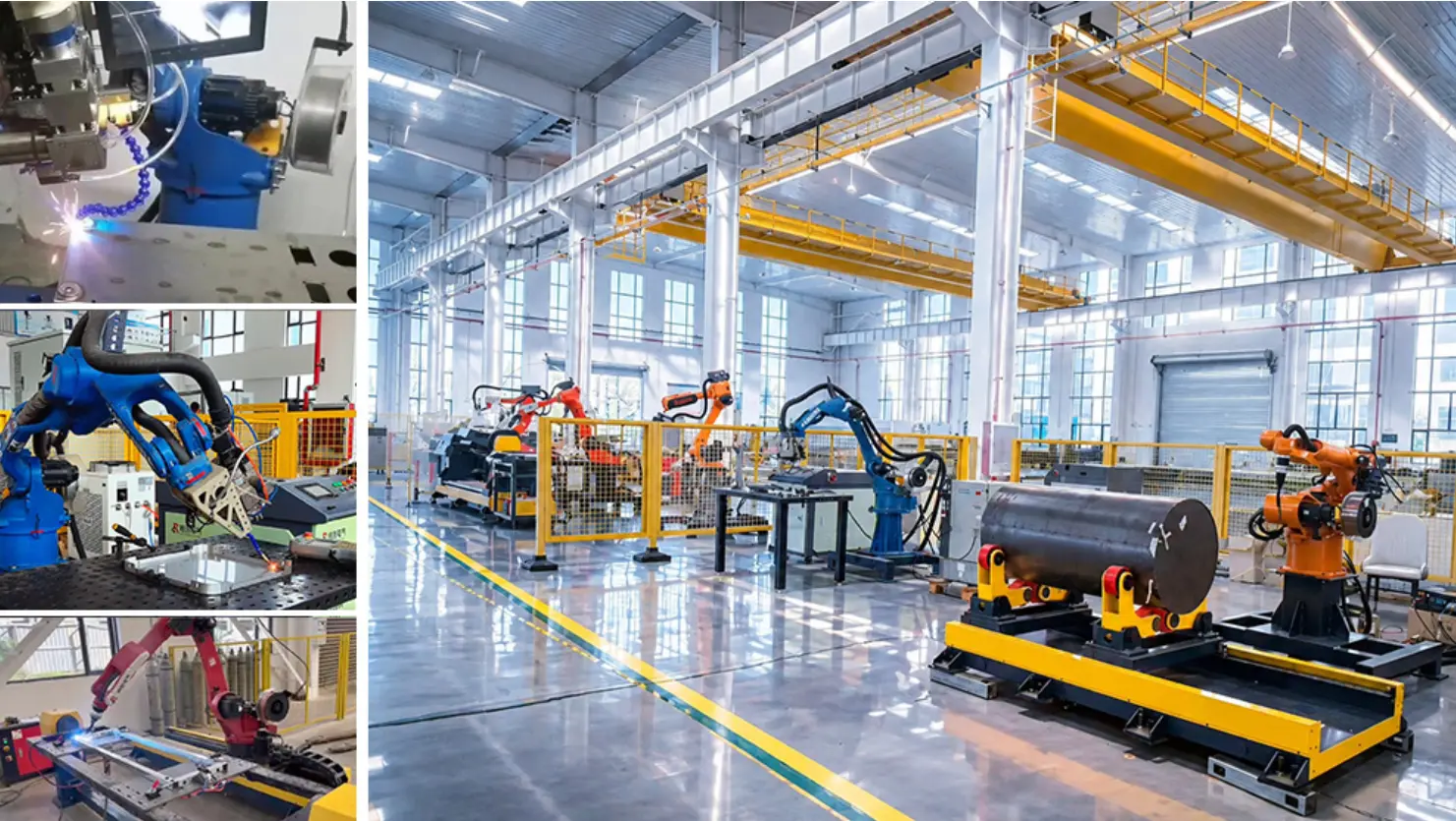
Ruichuang's laser welding robot supports PLC communication, enabling connection to upstream and downstream automation equipment within existing production lines without requiring a full workflow rebuild.
Maintenance requirements are straightforward. Protective optical windows should be inspected daily. The fiber laser source is rated for up to 100,000 operating hours with minimal maintenance. Chiller systems and robotic joint lubrication are recommended for inspection every 2,000 operational hours.
Ruichuang's after-sales team provides on-site commissioning, technical training through the Luoyang Ruiling Automation Training Center, and ongoing support for troubleshooting and spare parts. Operator training covering robot programming and PLC integration is available directly from Ruichuang.
FAQ
Q:What materials can the system weld?
A:The system welds carbon steel, stainless steel, aluminum alloy, copper, and galvanized sheet. It is commonly applied to thin and medium sheet metal parts across a range of industries.
Q:How does laser welding compare with arc welding?
A: Major changes include less heat affected zone, less distortion of the work piece, narrower weld seam, less spatter and less post weld grinding. The speed of processing is better than traditional arc welding processes, however the real difference depends on the material type and part shape.
Q: Does it support sophisticated 3D weld paths?
A: Yeah. The 6-axis robotic arm and the laser head collaborate to trace curved, round and irregular 3D routes. All this in one configuration, without the need to relocate the workpiece.
Q: What are the possible laser power options?
A: The power is between 1000W to 6000W. The proper configuration is determined depending on kind of material, thickness and penetration depth needed.
Q: You have seam tracking?
A: Yes. An optional laser seam tracker measures weld joint location and adjusts for variation, helping to maintain consistent quality when part fit-up tolerances change.
Q:What maintenance does the system require?
A:Daily inspection of protective optical windows, and chiller and lubrication checks every 2,000 hours. The fiber laser source is rated for up to 100,000 operating hours.
Contact Us
To discuss your welding automation requirements with Laser Welding Robot, send your material type, thickness, and part details to sales@lyrcautomation.com and our technical team will follow up.